Natural vs Manufactured Stone Cladding: Which Is Better?
Stone cladding can change a plain wall into something with depth and character. It can also add value, especially on street-facing areas. Still, the big choice comes fast: natural stone or manufactured stone veneer?
Both can look great. The better option depends on where you’re putting it (façade, entry feature, fireplace, outdoor BBQ area), how much you want to spend, and how much upkeep you’ll actually do.
In Australia, weather matters more than many people expect. For example, with Stone Cladding Sydney projects, coastal air, wind-driven rain, and strong sun can all influence how a finish ages, and how often it needs cleaning.
How they differ in real life: look, feel, strength, and consistency
Natural stone cladding is exactly what it sounds like: thin-cut pieces of real stone (like sandstone, limestone, slate, or quartzite) fixed to a wall. Because it comes from the earth, every piece has its own colour shifts, grain, and texture.
Manufactured stone cladding (often called stone veneer) is made from a cement-based mix. Makers pour it into moulds taken from real stone, then add pigments to create colour. The result is designed to look like stone, but it’s a product with a more controlled finish.
That difference shows up in day-to-day living. You’ll feel it when you run your hand across the surface. You’ll see it in the way corners meet, how shadows sit in the joints, and whether the wall looks “alive” up close or more uniform.
The finished look, texture, and colour over time
Natural stone tends to win on authenticity. It has small imperfections that make it feel grounded, like timber grain in a hardwood floor. Edges vary, faces can be rough or split, and the colour can shift slightly across a single piece.
Manufactured stone aims for consistency. That’s helpful when you want a very controlled style, but repetition can appear on larger walls. If the same “feature” shows up every metre, your eye catches it.
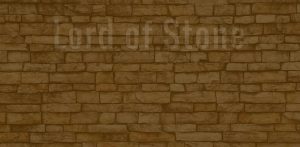
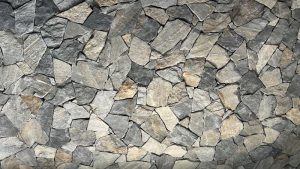
Sunlight and weather also play a role. Dust can soften contrast over time, especially on sheltered ledges. Rain can leave mineral marks on porous surfaces if water runs down the face often. On the other hand, good-quality manufactured veneer can still look convincing at a glance, particularly on smaller feature areas like an indoor fireplace surround or a nib wall in an entry.
Weight, thickness, and what that means for your wall
Weight isn’t exciting, but it can decide your whole project. Natural stone is usually heavier, and that can mean more prep and more checking. Some walls need stronger substrates, the right sheeting, and fixings suited to the load. In certain builds, you may also need extra mechanical fixing, not just adhesive.
Manufactured stone is often lighter and more uniform in thickness. That can reduce install time and make it suitable for areas where a heavy product would be awkward or costly to support. It can also be easier to wrap around details because pieces are consistent.
Practically, here’s why it matters: heavier cladding can increase labour, affect scaffold needs, and raise the risk of problems if the wall build-up isn’t right. Lighter cladding can open up options for indoor feature walls and selected exterior sections, provided waterproofing and flashings are done properly.
Cleaning, sealing, and repairs in Australian conditions
Most cladding looks best when you treat it like an outdoor surface, not a “set and forget” finish. In many cases, sealing is recommended for both types, especially if the stone is porous, or the wall sits under eaves where grime builds slowly.
Cleaning should stay gentle. Use low-pressure water and a soft brush. Avoid harsh acids, since they can etch some stones and attack mortar. If you’re near the coast, salt air can leave a fine film that attracts dirt. Shaded areas can also grow mould, especially after wet summers. In bushfire-prone regions, ember exposure is another reason to keep gaps, joints, and leaf litter under control.
Rule of thumb: pick the cladding you can realistically clean and check once a year, otherwise small issues become expensive ones.
Repairs differ too. A chipped natural stone piece can sometimes be replaced without the patch looking identical, because variation hides joins. With manufactured veneer, a single replacement may stand out if the colour batch has changed, so it helps to keep spare pieces.
So which is better for your home: a quick decision guide
There’s no single winner, because “better” depends on your priorities. The simplest approach is to match the material to the job, then confirm the wall build-up and install method before you order.
If you’re unsure, seeing full-size samples outside in daylight helps, and advice from a specialist supplier such as Lord of Stone can clarify weight, substrate needs, and finish options without guesswork.
Choose natural stone cladding if you want a one of a kind finish
Natural stone suits homes where texture and variation are the point. It often looks best on larger areas, because colour changes read as intentional, not messy. It also shines on premium entry walls, plinths, and high-visibility façades.
Best fit examples include: a statement entry, a tall internal feature wall, or a fireplace where you want real depth. The main caution is practical: confirm wall support, use installers who know stone, and plan sealing if the stone is porous or exposed to staining.
Choose manufactured stone cladding if you want a consistent look and easier installs
Manufactured veneer suits projects where budget and speed matter, or where weight limits your choices. It can also help when you want the same style repeated in several spots, because colour and sizing stay steady.
It’s often a good match for: smaller feature walls, alfresco columns, and projects with tighter access. Still, quality matters. Lower-grade products can show repeating patterns or odd colour fades. Follow the install guide closely, especially for exterior waterproofing and drainage, because water trapped behind any cladding causes trouble.
Conclusion
Natural stone cladding gives you real texture, natural variation, and a finish that feels timeless. Manufactured stone veneer offers a consistent look, lighter handling, and often a simpler install. Before you commit, view samples in natural light, ask about weight and warranty, and confirm the correct substrate, flashings, and waterproofing details. When you’re planning Stone Cladding Sydney work, those checks matter even more because coastal conditions can speed up staining and wear. Choose the option that fits your wall, your budget, and the maintenance you’ll actually do.